








































At the beginning of the school year, a school-wide climate survey was sent out by the district, and administrators have taken action based on those results by implementing two new initiatives.
While the first initiative, The Griffin Cup, was established in September, the second initiative, Griffin Grattitudes, was initiated three weeks ago and is starting to gain momentum.
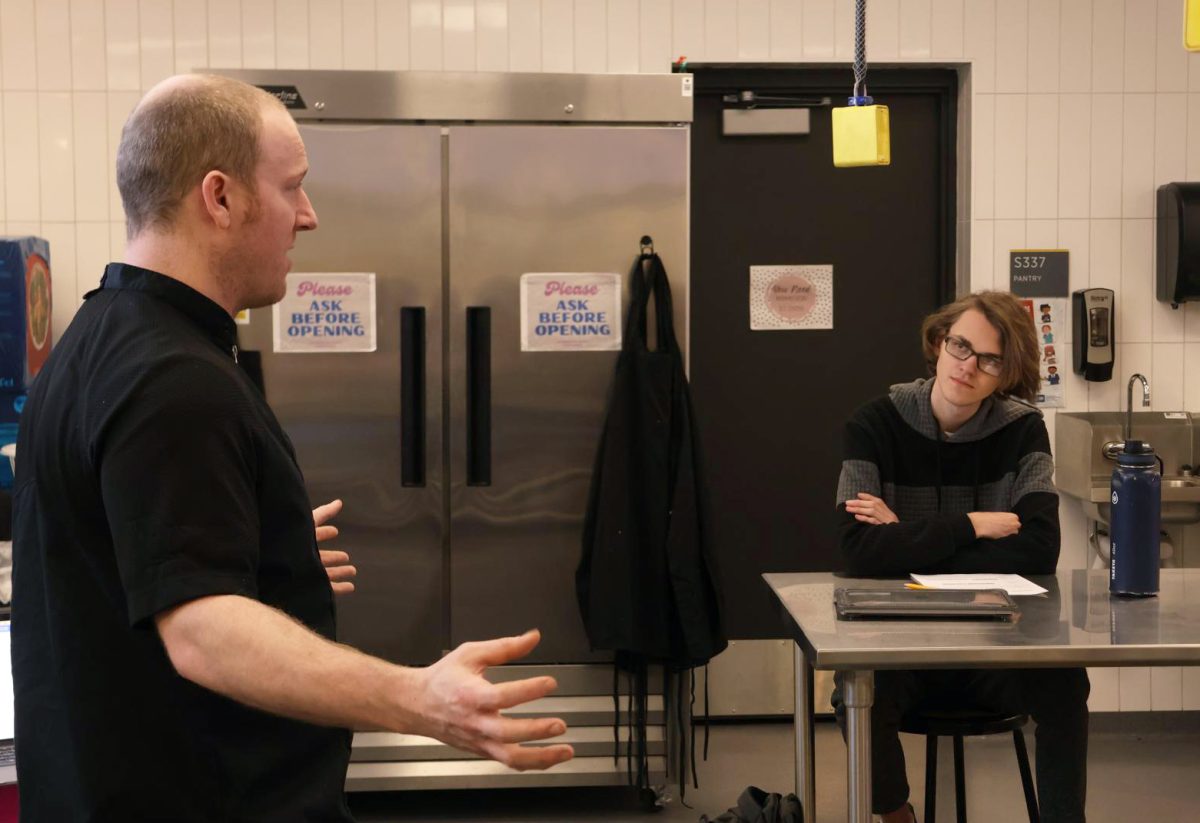
“One of the pieces that stood out to us [from the survey] was a question about students feeling like they’re not recognized for doing things well,” assistant principal Michael Tomjack, who has spearheaded the two initiatives, said.

Griffin Gratitudes is a student-recognition program where staff members are each able to nominate one student per week for being kind, helpful or a leader. Each nominated student receives an email on the Friday of that week to alert them to their nomination.
“As we talked about it [the survey results], we thought we did a pretty good job of talking to kids and recognizing kids,” Tomjack said, “but kids did not feel like they were recognized. So, we came up with ways to tell kids, ‘Hey, nice job. Thank you for doing that.’”
Parents/Guardians, administrators and counselors can also be notified of the recognition if the nominating teacher selects that option. The students are also recognized each week in an AEP lesson, and their name goes into a drawing for a prize at the end of each month.
“When I got the email, I was very surprised, and I felt good about myself,” sophomore Serena Shanahan said. “My parents, when they got the email, said that they were very proud of me.”
With staff members submitting 85 nominations in the three weeks since Griffin Grattitudes began and more expected to come in this week, the initiative is taking off.
“They’ve been really good so far; teachers have said some really great things about the kids they recognize,” Tomjack said.
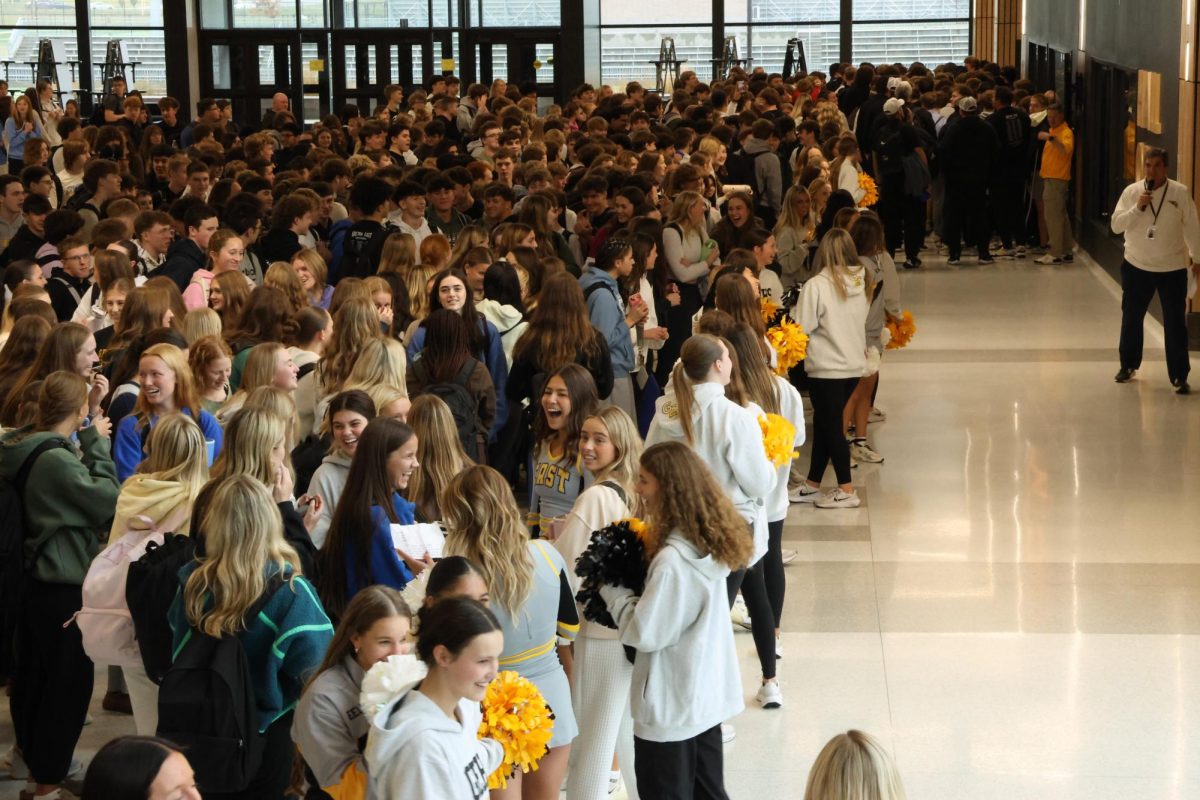
The Griffin Cup competition is also meant to recognize students’ positive behaviors, where points are earned by each grade level based on numerous factors. While there was a Griffin Cup competition last school year, the format and purpose of it have been realigned to be not just a fun competition, but rather, one that promotes punctuality, meeting deadlines and good attendance.
“We’ve always done a kind of class competition, but most of the time the points came from the pep rallies,” Tomjack said. “This year, we thought, ‘Can we expand that idea a little bit?’ We put so much emphasis on attendance, being at school, being involved, homework, staying up on your grades and being responsible. We added those components to the class competition and rebranded it as the Griffin Cup, a challenge throughout the course of the year.”
The grade that collects the most points by the end of the year will win a prize, but that prize is currently a secret.
“As I watch the Griffin Cup points (starting a new bonus program today for 10th, 11th, 12th graders) – there may need to be a 2nd place prize as well to keep everyone motivated,” Tomjack said. “If things don’t change much, the freshmen will walk away with it, with no chance for any other grade level to catch them.”

To give the other grade levels a chance to catch up to the freshmen, on Friday, administrators announced a new part of the Griffin Cup, where every day during Academic Enrichment Period (AEP), teachers who have a Sophomore, Junior, or Senior AEP fill out a Google sheet to track their AEP’s attendance. If they have one absence or no absences that day, the teacher will mark that day as yellow, and if there are two or more students absent, they will mark it red. Points will be awarded to the grade with the longest yellow streak between this week and Spring Break.
“The class competition is simply a structure we already have in place that allows us to recognize positive behaviors in a fun way,” Tomjack said. “The bigger goal is to reinforce something much more important, the value of being here and being a part of Gretna East every day!”
So far, administrators have noticed positive correlations between the two initiatives and attendance, incomplete assignment numbers and tardies.
“We have seen improvements in our attendance, in our building, in the district as well, so we are making gains in that regard,” Tomjack said. “We feel good about the positive effects we’ve had so far.”
So far this year, the percentage of students missing 10% or more of school days has dropped from 17.77% in 2024–25 to 16.89% this year. Tomjack and the other administrators hope the downward trend will continue as the school year progresses.
“We’re here for kids,” Tomjack said. “We want kids to be successful, and our job is to find every way we can to motivate kids and make sure they reach their potential. And always when you’re doing that, you want to build connections and relationships, it’s kind of where it all starts.”