




















































DISCLOSURE: This is an opinion article. Please note that unsigned editorials represent the collective opinion of The Wingspan student news staff and do not necessarily represent the opinion of the adviser or Gretna East High School. Columns represent the opinion of the author alone and do not necessarily represent the opinions of the adviser, the Wingspan staff or Gretna East High School.
From students falling asleep in class due to burnout to athletes believing one injury could end their future, achievement culture – the growing pressure to succeed, outperform others and appear perfect – has spiralled out of control. Between trying to get the perfect highlight reel to be recruited for the sport they love and feeling the pressure to score a perfect 36 on the ACT, what was once about striving for success has become an unhealthy obsession with perfection, leaving students trapped between impossible academic and athletic achievements.
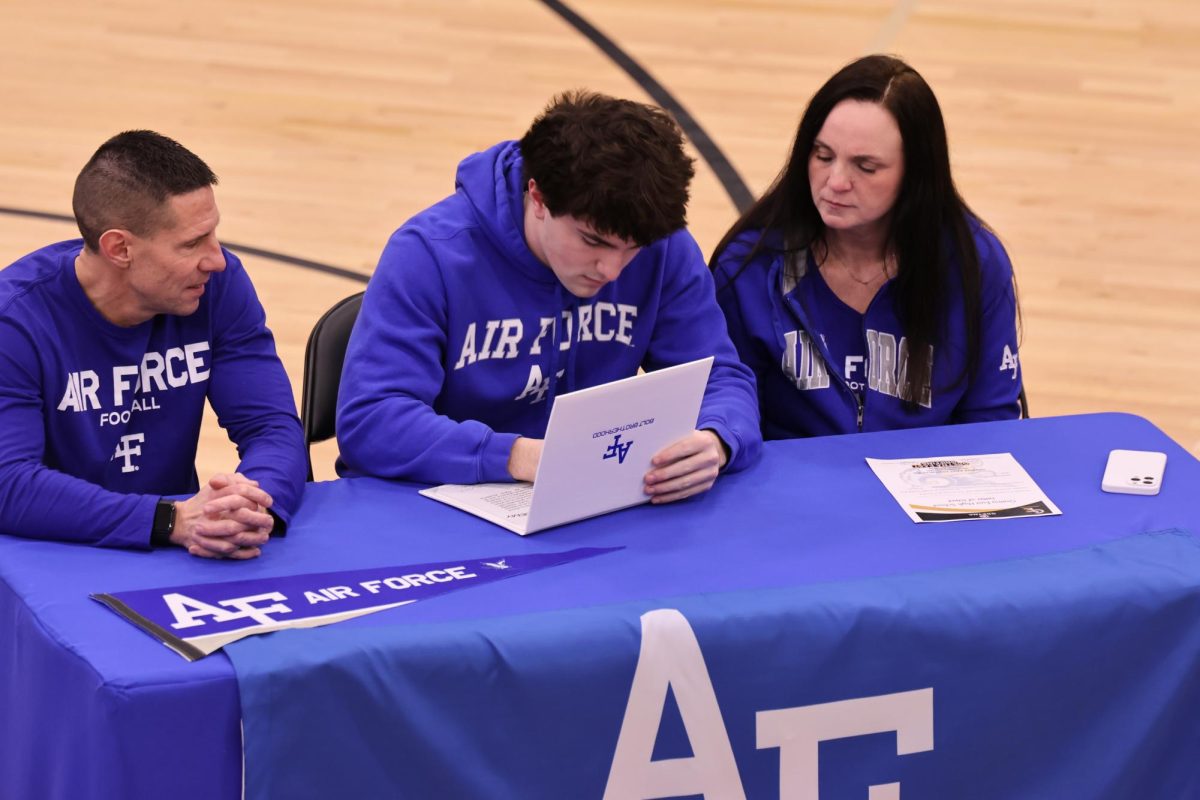
Going to a Division I school used to mean a student was one of the best at their sport, but it has quickly become the cultural standard. Suddenly, going to a Division II or Division III school means a student is not treated as well as one at a Division I school. From the facility differences to the amount of scholarships given, it is clear that Division I athletes are valued more. Around 60% of NCAA revenue, about $600 million, is directly donated to Division I schools, where about $150 million of it is used to fund championships, compared to Division II, which receives 4.37% of revenue and Division III, which receives 3.18% of revenue and still have to use that money to fund their championships and programs.
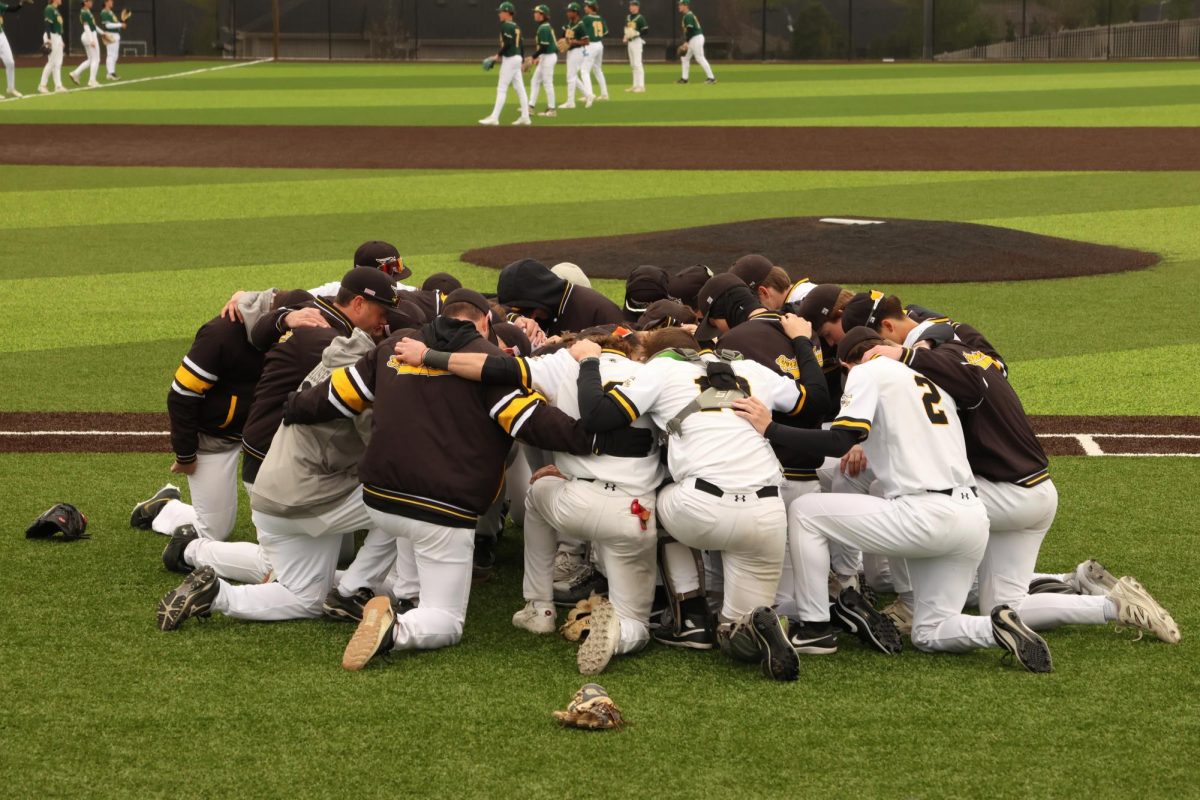
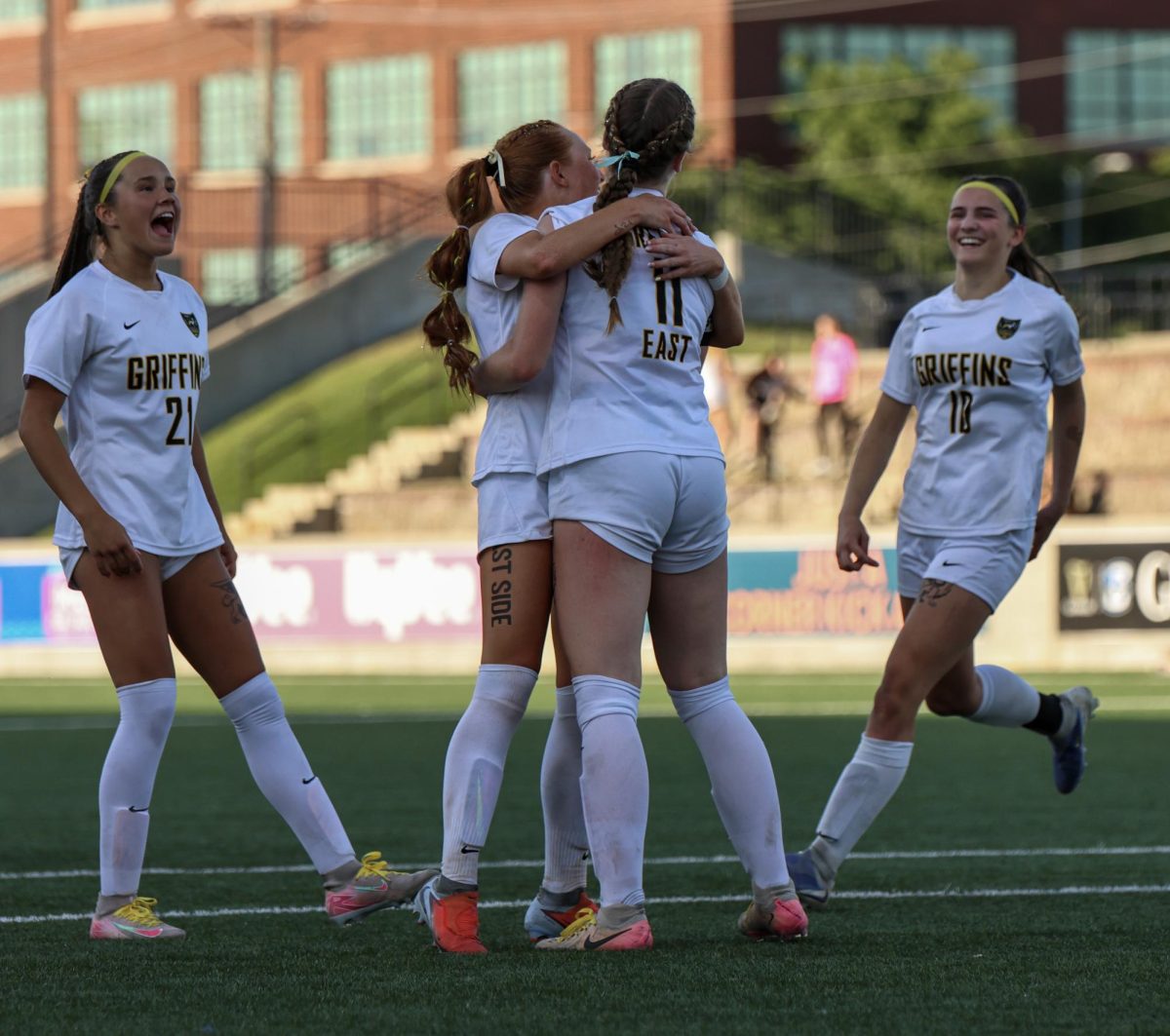
There was once a time when being recruited was a big enough accomplishment on its own; now it has become the guideline for how student-athletes have to run their life. From watching my own teammates trying to get recruited, they have told me it was a process that they do not wish upon anyone. One of my teammates, who is currently committed to a Division II school, said that the process was one that was very hard, long and tiring. She said that at some points, she considered whether this was all really worth it, given the anxiety she was feeling to get a perfect highlight reel to show coaches who were interested in her. Even being committed to a Division II school, she still gets people doubting how talented she is because she could not go to a Division I school.
This mindset of having to be the best of the best is not worth the stress student-athletes face; over 8 million students play high school sports, and only about 560,000 will ever play NCAA sports, let alone Division I. They should be able to enjoy high school sports and not worry about whether they will become a part of this statistic. When looking at the numbers, they most likely will not become a part of this statistic, not because they are not good or not talented enough, but because the program has set them up to fail. There aren’t enough programs out there if every single one of the 8 million athletes decided they wanted to try to play college sports. And while some might say that is what makes them prestigious, it is only setting up a false narration of what students can accomplish.
Even before athletes reach the collegiate level, they are pouring hours of work into their sport every week. Athletes skip spring breaks and vacations to compete out of fear of getting ‘benched.’ This is not how high school sports should be, but the need to be the best has taken over, and the overwhelming demands are approaching from all directions. Alongside an extensive schedule, the desire to be noticed by collegiate coaches forces student-athletes to be on their ‘A-game’ at all times.
Not only are student-athletes feeling the heat, but academically, students are starting to feel the pressure when it comes to the ACT. The need to succeed has come to a point where, on the official ACT website, they offer a Counsellor’s Guide to help students with testing anxiety. To the point that the ACT offers an entire page of how to help students through test anxiety and stress, is that not a sign that students are cracking under this need for perfection and that the ACT organisation knows this?
But it does not end at the ACT. There are Dual Credit classes, where students earn not only a high school credit but also college credit and Advanced Placement classes (AP), where students take an AP exam, covering the entire year to determine whether they earn the college credit. For many students planning to attend college, these courses no longer feel optional.
The main issue with this is that most high schools run five days a week, with students going to school and taking the same class every day; in college, students go to the same class maybe twice or three times a week. With the new norm being that students build an entire schedule of these upper-level classes, expectations have never been higher. It is unrealistic to expect high school students to be able to handle the workload that a college student is given on top of other commitments.
A study done by senior lecturer Denise Pope at Stanford University found that students begin to plateau during homework after 90 minutes to two and a half hours, while most students had, on average, 3.1 hours of homework. In her study of a sample of 4,317 students from 10 upper-middle-class schools, she found that 56 percent of students felt that homework was a primary factor of stress, with only 1 percent of students saying that homework was not a stressor.
Students have an average of 17.5 hours of homework per week, with even more when taking AP classes. Adding to extracurricular activities that most students participate in, it is no wonder that students are feeling stressed from homework.
There seems to be no light at the end of this tunnel for these students; no recruitment is great enough for the world, no ACT score is high enough. Students are facing incredible burnout, rightfully so, and “achievement culture” is to blame. Students have been brought into a world where it is normal that everyone around them has crippling anxiety. According to the American Psychological Association, teens are reported to be reaching a 5.8 out of 10 on the stress scale, with a noticeable rise on the scale during the school year, compared to the average adult who reaches 5.1 out of 10. Students have been pushed to a level where they are feeling more stress compared to adults, which is a new thing with teens.
This culture did not appear out of nowhere. It came partly from some parental influences, but mainly from social media. There are now dozens of accounts reviewing Ivy League applications, where the student is the top of their class, has created a non-profit, has a 4.5 GPA and may as well have stopped world hunger when they also discovered a solution to cancer. And while it is great for these students who have achieved so much, it is starting to cause anxiety for others who feel they must also be achieving this much. But it is not only social media feeding into this.
Websites like College Data make lists for students of what is needed to get into college, where they go into detail about what is needed to get into a “good college.” These websites add to the extremely unrealistic standards and constant competition that high school students feel to get into college, making it seem like they also need to find a cure to cancer just to get into college.
These expectations are just not sound. Students need to realise that while expectations like this are needed for some extreme schools, they are not necessary for every school. Students need help to understand what their dream college specifically wants, not what social media is telling them they need.
Ultimately, lasting change depends on a broader cultural shift. Until the culture is different, this current pattern will continue. Helping students realise that they do not need to live and breathe their classes and activities, but that they should also have a life outside of school, is crucial to stopping the burnout. It all starts with expecting students to do their best, not someone else’s.