















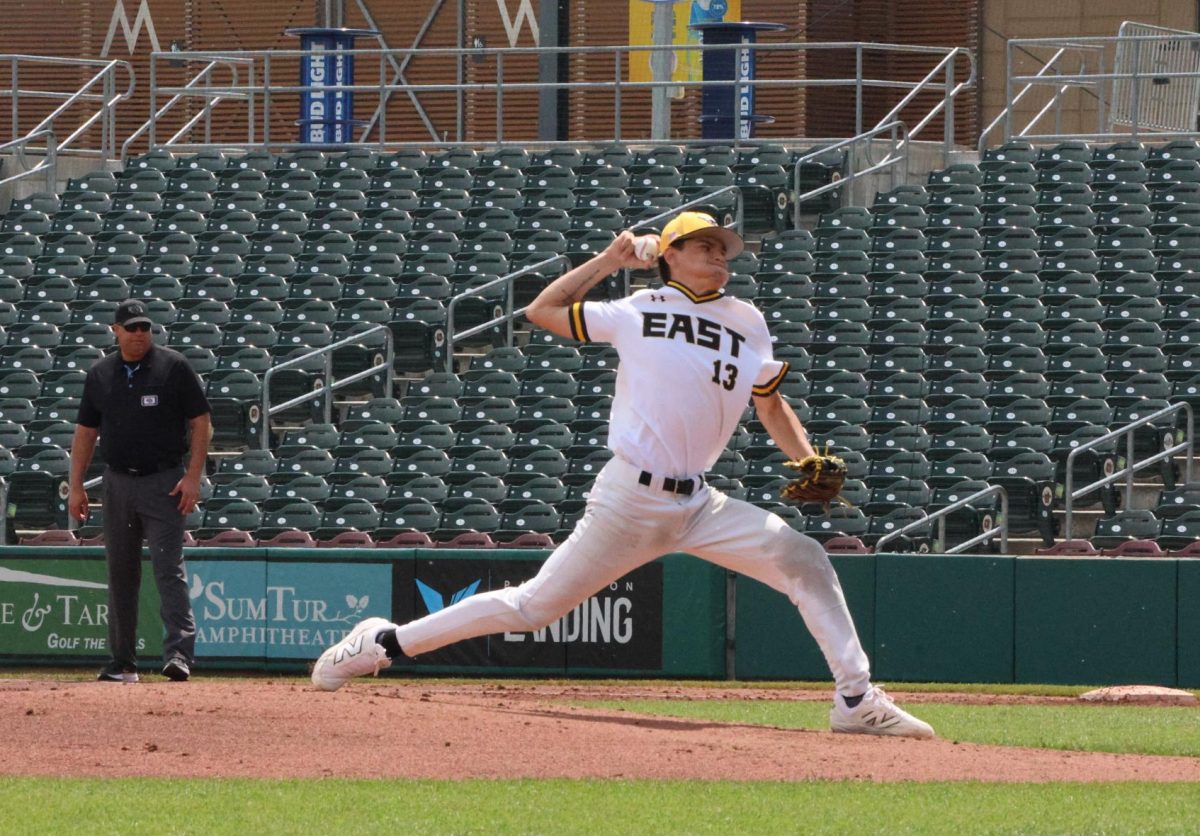






















Change is on the horizon for the Eastern Midlands Conference (EMC), as several metro schools prepare to move to different classes and shift conferences. The shuffle sets Gretna East to face off against fewer opponents, as four schools move to Class A and three exit the EMC, removing those matchups from East’s main schedule starting the 2027-28 school year.
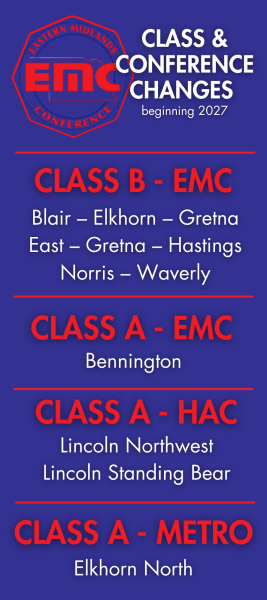
In the next two years, Bennington plans to transition to Class A but remain in the EMC, and will only have football scheduling and postseason adjustments. Elkhorn North, Lincoln Standing Bear and Lincoln Northwest will also move to Class A, but both Lincoln schools will join the Heartland American Conference (HAC), and Elkhorn North will transfer to the Metropolitan High School Activities Association. As a result, the EMC will drop from 11 schools to eight.
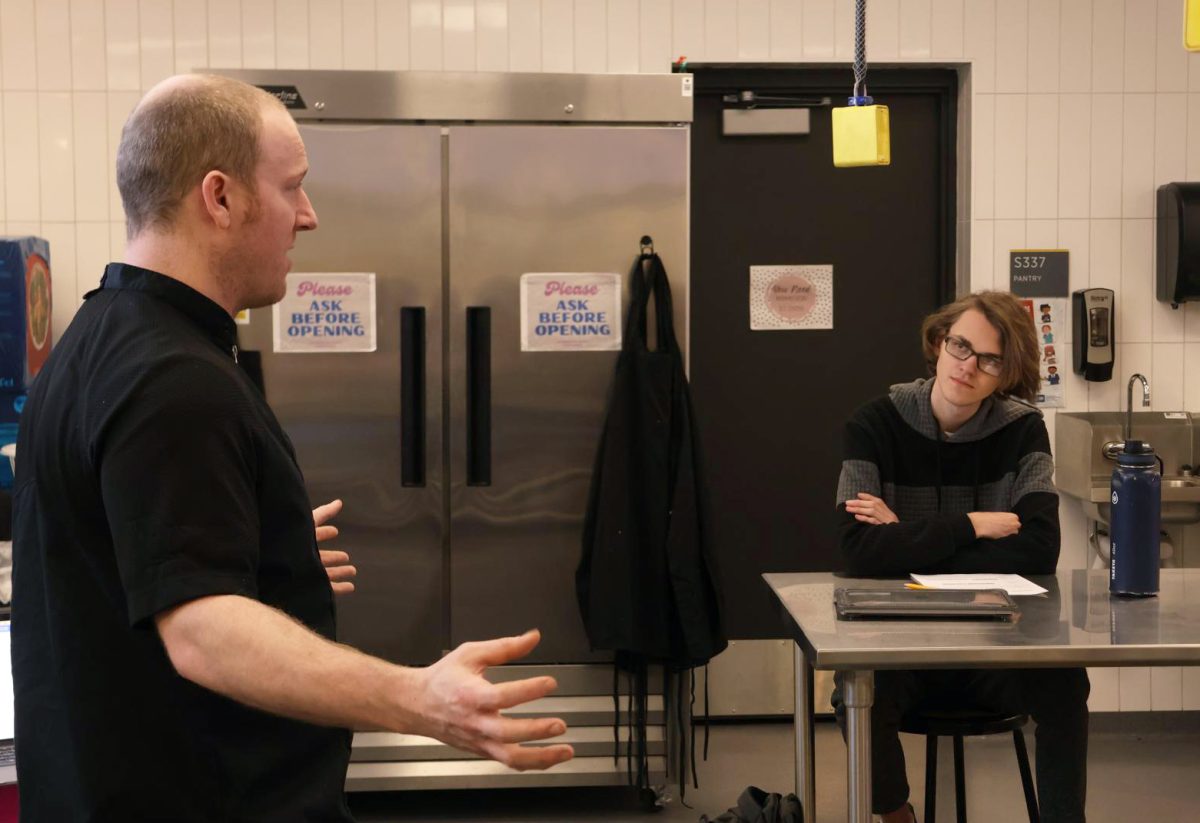
“A couple of top schools are departing the conference, but we still have to remember that we have the best possible conference, and it’s not even close,” Activities Director Matt Fritsche said. “We’re still going to have tremendous competition.”
The Nebraska School Activities Association (NSAA) classifies schools based on their 9-11 grade enrollment from the prior year. Class A has a minimum enrollment of 850, while Class B doesn’t have a fixed number. Class C’s enrollment maximum is under 100, and since Class D follows below C with even fewer students, they base their competition under a comparative system. When schools switch to different classes, it can be used to ensure fair competition in interschool sports and activities; it depends on participation numbers.
East is likely to transition to Class A in the near future, but not immediately. For the administration, they feel that the next two to three years are okay to stay in Class B, but after that, the Griffins will likely make the move to Class A.
“I think this year and the next two feel safe to stay in Class B,” Fritsche said. “After that, I’m not positive, but I get the feeling that we will be transitioning Class A.”
Those making the shift are doing it because their student population has grown. Student overflow has forced them to make the jump to Class A.
“The move from Class B to Class A is a numbers decision,” Lincoln Standing Bear Athletic Director Jeremy Schroeder said. “Standing Bear and Lincoln Northwest were both intended to open as Class B schools, and expected to grow quickly in enrollment and move to Class A. The move from the EMC to the HAC is also driven by size. The EMC is traditionally a Class B only conference, and the HAC is a Class A only conference. With the move to Class A, moving to the HAC, where the other six Lincoln High Schools compete, was only natural.”
From fall to spring athletics, East has been ranked in the top ten for many different athletics throughout the past three years. Now that some of the biggest contenders in the conference are leaving, this will push East higher in the ranks and increase the possibility of having less competition than before. While Fritsche isn’t worried, others have expressed concern about the change.
“I think it sucks because that means the teams we have left in our conference might not be as competitive as those leaving,” volleyball player, freshman Peyton Campbell said. “Both Bennington and Elkhorn North are some of our biggest competitors, and if they leave, we won’t have them as high-level competition anymore. Those are the schools we want at rivals.”
The schools that plan to leave the conference will make a divot in the competition level by leaving seven other schools for East to compete against. Blair, Waverly and Norris are all similar-sized schools to East, while both Elkhorn and Hastings are notably larger. For competition, Norris and Elkhorn are the two biggest contenders left in the conference for East to compete against.
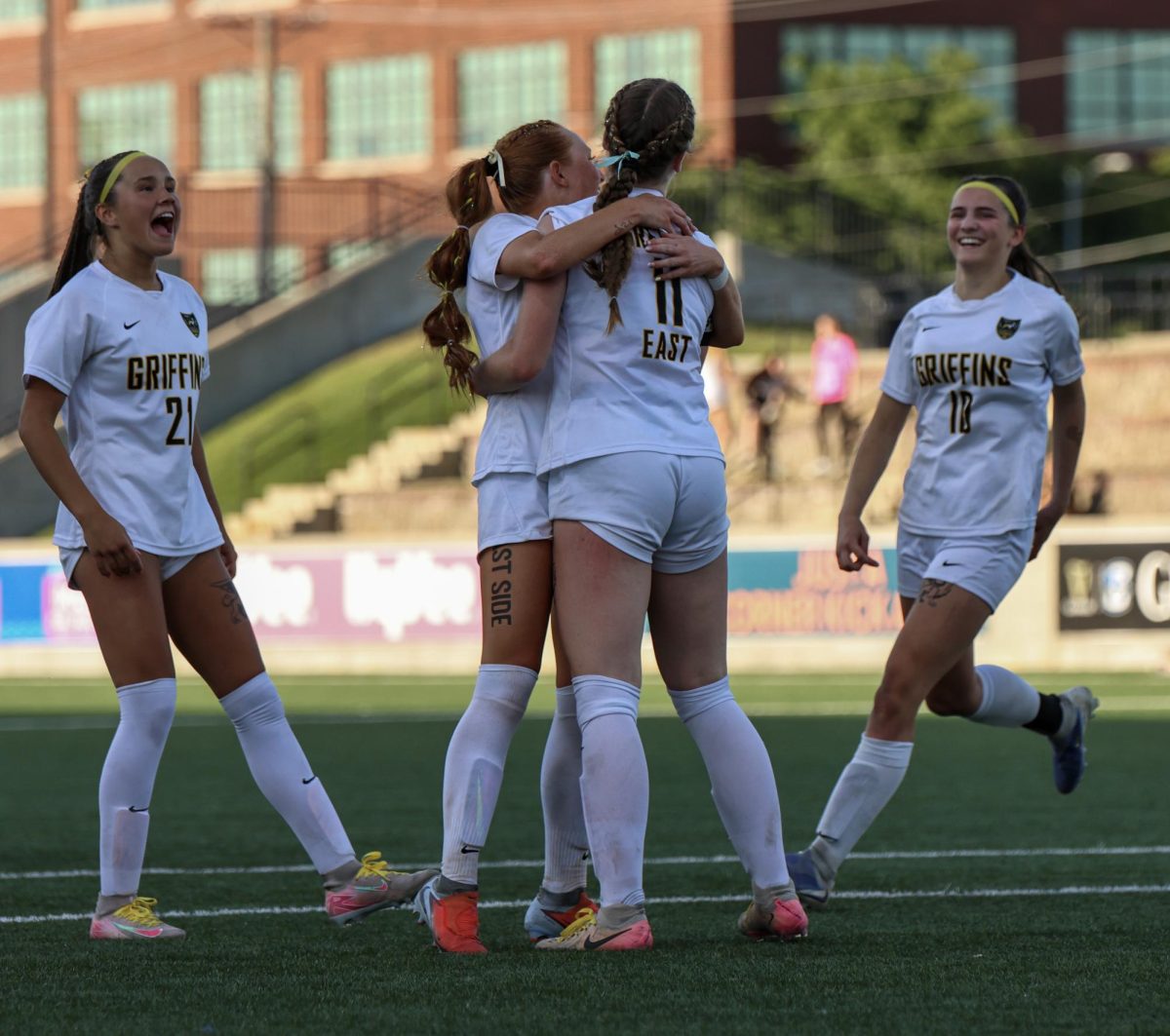
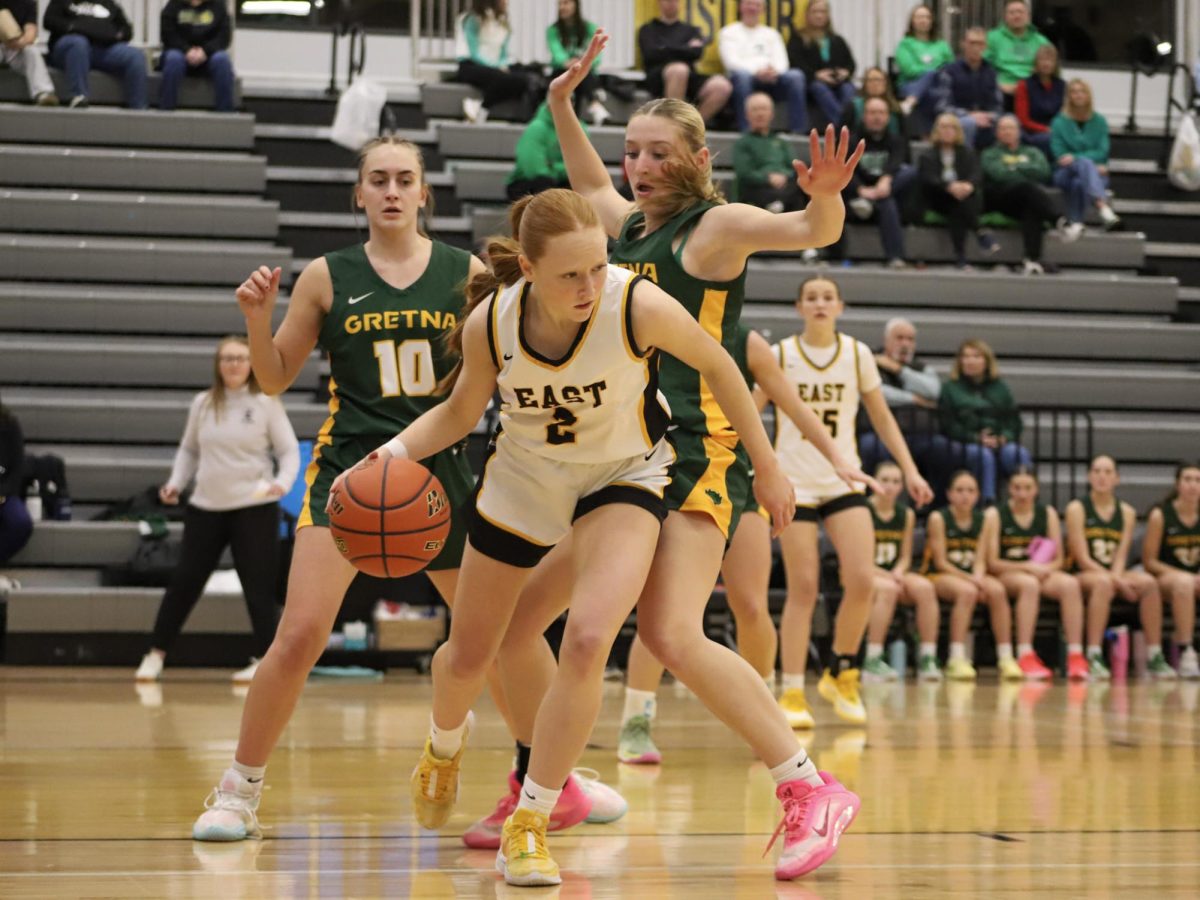
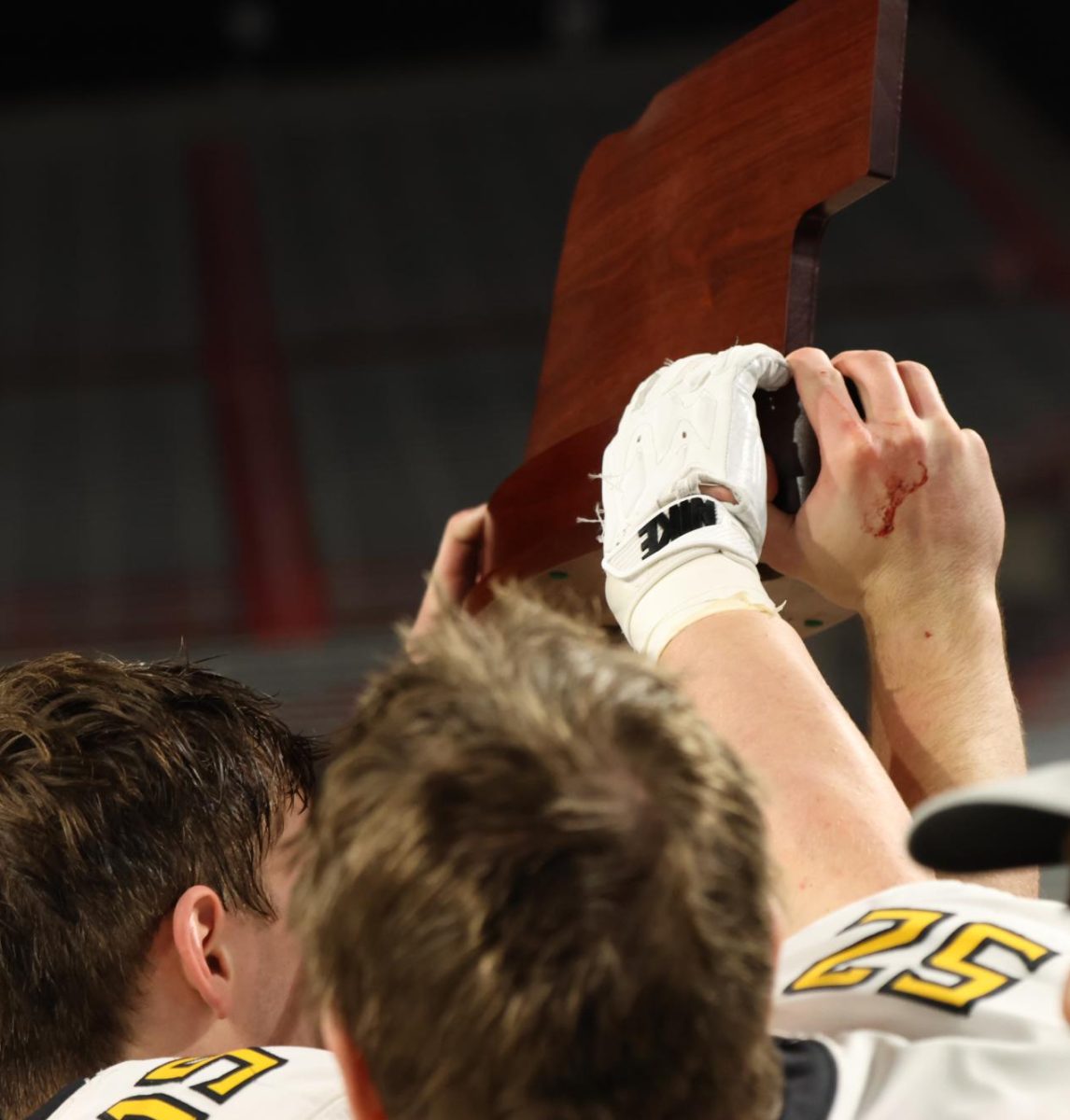
East has three girls’ athletic state championship appearances, with back-to-back state championships for soccer and a runner-up finish for basketball. The boys’ athletics have three state championship appearances, with a championship in baseball and a second-place finish in track. The school’s girls’ athletics also received the Buckle Up Phone Down award, a statewide award based on participating in NSAA education-based activity programs. Norris appears to be a higher-tier in certain sports, like back-to-back state championships in volleyball and consistent football records. Elkhorn has a larger program and strong teams, but isn’t consistently elite in all areas.
Even though the EMC is losing competition, which leaves the possibility for a weaker division, administration says they will do everything in their power to schedule teams that will still challenge East’s athletics.
“Good teams find each other,” Fritsche said. “We’ll always be able to schedule at the level of the product that we’re able to put out on the floor. We’re always going to intentionally be aggressive with our schedules here, because you get bonus points for playing Class A high schools when you’re a Class B school. So we might as well go play those really good Class A schools and gamble that we can beat them and then set ourselves up for the State tournament.”
Whether they schedule games against teams in the HAC or top teams in Class A, East athletes say they want to continue to play tough teams.
“Playing tough schools, and being willing to take a loss with your team, is really important because it shows your weaknesses and things you need to work on as a team,” volleyball captain, senior Jada Freeland said. “I think that playing tough teams and being challenged during the season is going to make your postseason stronger and help your team finish strong towards the end of the season.”
Although next school year’s activities schedule won’t be curated until next summer, the NSAA, coaches and activity directors work together to create schedules that ensure the appropriate levels of competition are provided for all teams, except for the football schedules, which are made and distributed by the state.
“We are in a great conference for now and shouldn’t take for granted the level of competition, the professionalism of the leadership of the conference, and a bunch of people who want to continue to grow our own programs, sports and promote schools doing things the right way,” Fritsche said.